

Renacimiento de la Fotografía Analógica: 12 Razones por las que Está Experimentando un Fuerte Resurgimiento en 2025
¿Tienes curiosidad sobre el regreso de la fotografía analógica? Resolvemos tus preguntas frecuentes
-
¿La fotografía en película sigue siendo relevante en 2025? ¡Sí! Está prosperando con nuevas películas, cámaras y una apasionada comunidad global.
-
¿Todavía se fabrican películas de 35 mm, 120 o gran formato? Absolutamente: Kodak, Ilford y otros lanzan nuevos rollos de forma regular.
-
¿Es esto solo una moda pasajera como la Lomografía? No, es un movimiento sostenido, respaldado por el aumento de ventas y cámaras re-fabricadas.
-
¿Se considera Instax fotografía analógica? No exactamente: es instantánea, mientras que la fotografía con película tradicional implica un proceso de revelado manual.
-
¿Dónde puedo comprar cámaras de película confiables? Consulta vendedores de confianza en eBay o Etsy para modelos reacondicionados, o explora cámaras nuevas como la Pentax 17.
¿Nuevo en el cine? Sumérgete en nuestra guía para principiantes: Cómo empezar en la fotografía analógica.
La fotografía analógica no solo se mantiene, sino que está resurgiendo con fuerza. Cámaras vintage como la Canon AE-1 o la Nikon F3 alcanzan precios superiores a algunos modelos profesionales digitales SLR, con eBay reportando aumentos anuales del 25-50 % en modelos muy demandados. Los aficionados están enganchados, y los profesionales están incorporando el film en sus servicios premium para bodas y retratos, ofreciendo resultados atemporales que encantan a los clientes.
Algunos lo llaman nostalgia, como los discos de vinilo antes de que superaran en ventas a los CDs en 2022. Pero los números no mienten: el resurgimiento del cine es real. Las ventas de Kodak en 2024 aumentaron un 20 % en películas fotográficas, y los fabricantes están apostando fuerte. Kodak revivió Ektachrome en 2017 y amplió Gold 200 al formato 120. CineStill lanzó 400D en 2022, seguido por Kentmere 100/400 en 120 de Ilford. ORWO Wolfen presentó las películas en color NC500 y NC400, y Harman Photo lanzó Phoenix 200 en 2023, actualizándola a la Versión II en julio de 2025 según los comentarios de los fotógrafos. Nuevas cámaras, como la reedición de Leica M6 (solo cuerpo por $5,900) y el éxito de Pentax en 2024, la Pentax 17, señalan la confianza de la industria.
línea, el movimiento prospera: el subreddit r/analog de Reddit cuenta con 1.5 millones de miembros, y canales de YouTube como Negative Feedback (más de 500K suscriptores) alimentan el entusiasmo con tutoriales. Esto no es una moda pasajera, es un resurgimiento global con fuerza duradera.
¿Qué es la fotografía analógica?
La fotografía analógica utiliza cámaras con película fotosensible (35 mm, formato medio 120 o gran formato 4x5). Se expone la película a la luz y luego se revela químicamente para crear negativos o diapositivas, que pueden imprimirse en un cuarto oscuro o escanearse digitalmente. A diferencia de las vistas previas instantáneas del formato digital, la película requiere paciencia y habilidad. Los formatos instantáneos como Instax son diferentes debido a su naturaleza de auto-revelado; aquí nos centramos en el proceso clásico de la película.
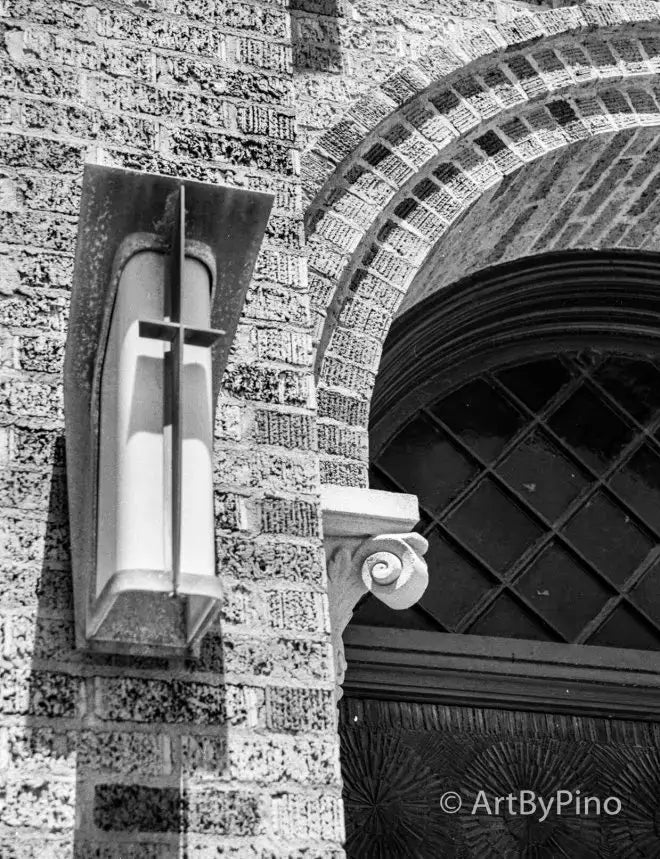
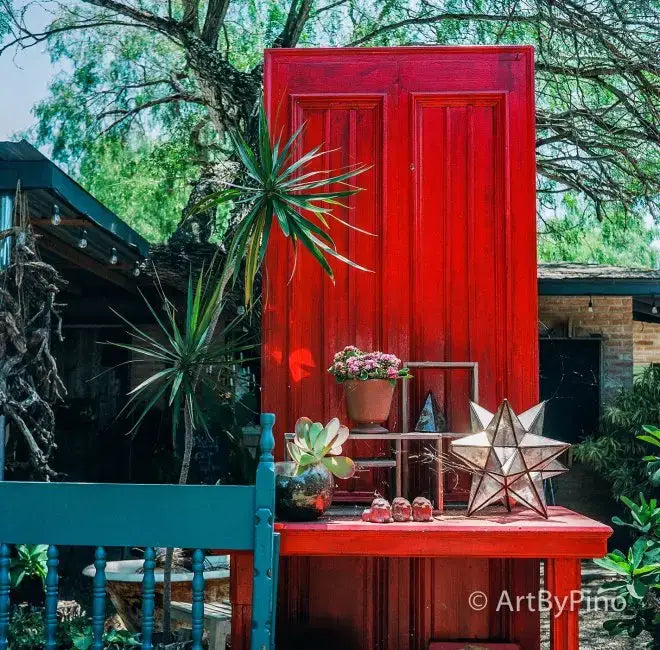
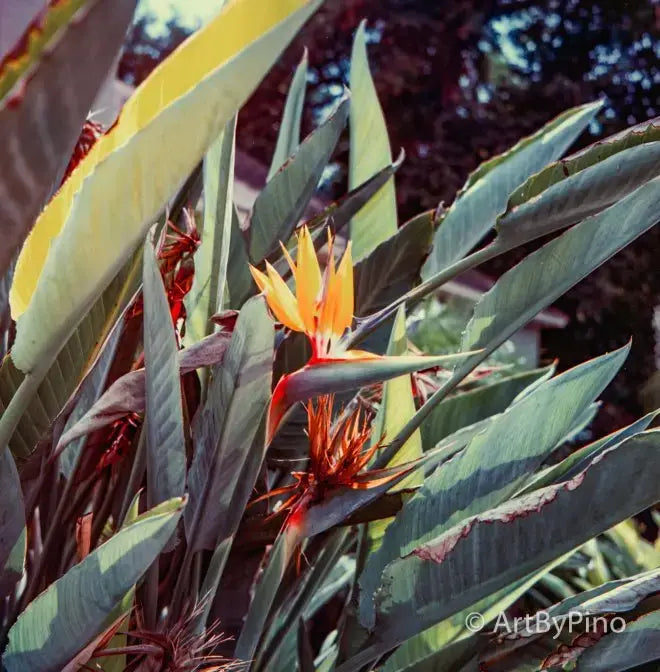
EJEMPLOS DE FOTOGRAFÍA ANALÓGICA

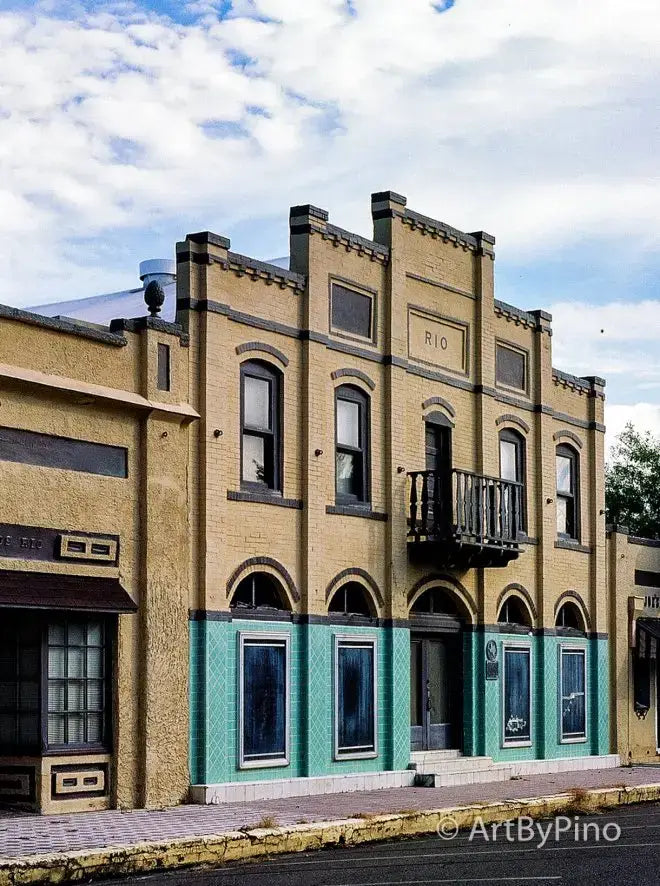

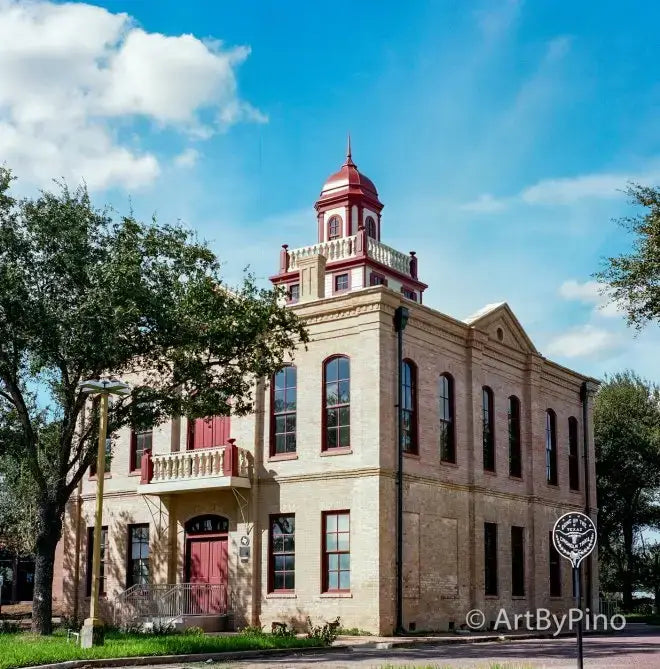
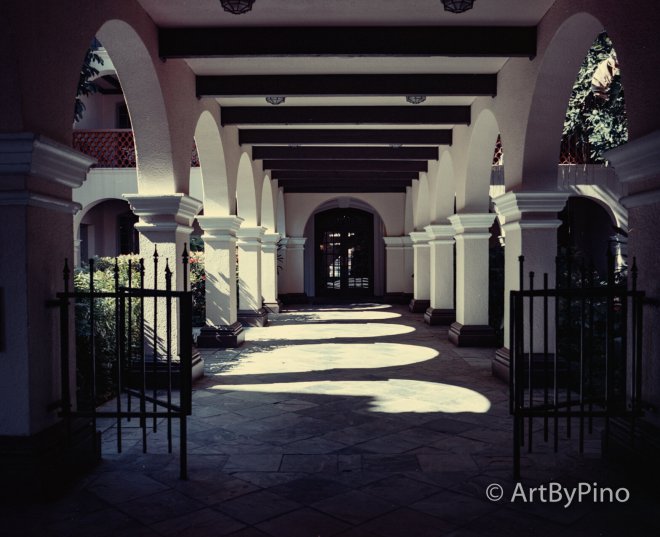
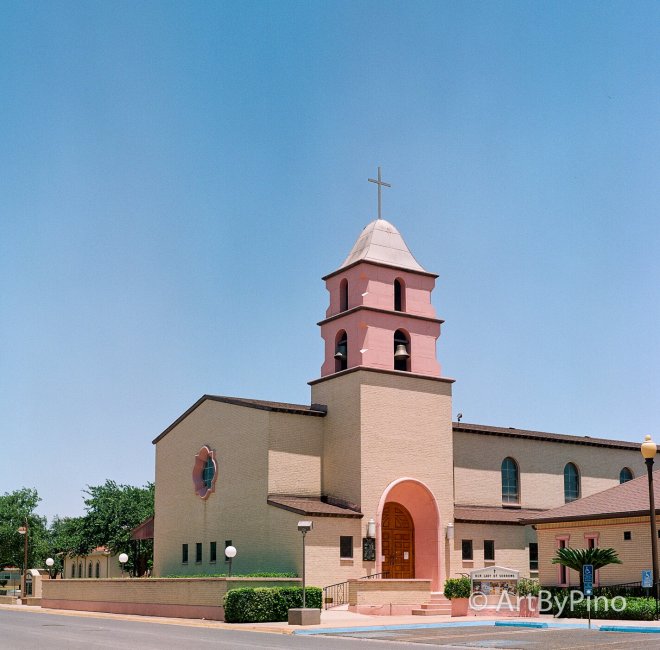
12 razones por las que la fotografía analógica está resurgiendo
1. Autenticidad y Credibilidad
2. Calidad de imagen mejorada
3. Atractivo Estético Inigualable
4. Terapéutico y Consciente
5. Impresiones hechas a mano
6. Más sencillo que nunca
7. Durabilidad y Rentabilidad
8. Exclusividad para Momentos Especiales
9. Retratos auténticos
10. Nostalgia y vibras vintage
11. Comunidades en línea prósperas
12. Escapar de la fatiga digital
Abordando a los escépticos: ¿Realmente vale la pena el cine?
Flujos de trabajo híbridos: lo mejor de ambos mundos
Mezcla la magia del cine con la facilidad digital:
Consejos para Comprar: Comienza con Inteligencia
¡Únete a la Revitalización del Cine!
19 comentarios
Way back in 1974 I walked into a camera store and purchased an Olympus Om1n 35mm film camera and begin the long journey of learning the craft. The craft in my opinion consists of using the camera while learning to see, to find your photographic voice. I realized that when I saw an art show of Eugene Atget’s work at the San Francisco Museum of Fine Art in the late 70’s I spent hours looking at his images and frankly it leveled me back to ground zero.
The craft also consists of learning composition, exposure and depth pf field. It was a tedious grueling task to set a fully manual camera and then wait a week to get your film back to see what you did. But unlike today where there is the green box full auto and instantly seeing your work. That process forced you to learn the craft. You simply had no choice. Thankfully there was Popular Photography magazine and peoples work you could go see. I became a fan of the greats like Eugene Atget, Ansel Adams and Galen Rowell. I mean who wouldn’t.As time progressed I also marched along with it. Kept all my film cameras even the 120. I embraced digital and enjoyed its technology. In fact I still do enjoy both film and digital. Yet I would be lying if I said I couldn’t see a difference between the two formats. There is a certain real authenticity to film that digital cannot replicate. I have come to the conclusion that it’s similar to analog music really. The way light is gathered on to the randomly scattered silver halide crystals v.s. being gathered by a computer driven sensor. Could it be that us being human feel an affinity to a less perfect image so full of life and color? Seems that people sure love to debate that online.
There’s a lot at work when we honestly start discussing the two platforms. Today its a much easier transition from the modern cell phone to a digital camera.
Film cameras seem daunting to folks today so used to buttons and programs. What do you mean there is no image to see on the back when I push the button ? I have to learn F-stops and shutter speed? I always thought f stop was a famous truck stop on route 66. I thought it was eeeeeso not I-S-O. Isn’t A-S-A really Aaaaaaasaw. LOL!!!!! But ya know maybe besides the film aesthetic what people are looking for is the soul of photography by slowing down and seeing the image for themselves rather than creating pictures just like 90 % of everyone else using the green box full auto point and shoot style.
It seems today at least to me that much of photography looks the same. I must say that its even becoming more exacerbated in a mirrorless camera world with Images that look so sharp they dont even look like what we see, which means they can appear unnatural. Then taken to post production in the computer and adding HDR pictures begin to look like paintings.
I am sure that photographers can remember certain images that are so well captured they simply stop time. They continue to speak to them years later and never stop. They are timeless. because they are so uniquely powerful. Which really speaks to the best camera of all the human eye, processed with the fastest computer the human mind, and captured with the best program the human soul. I think with that in mind it’s quite possible film never really died like many folks proclaimed. Just out of curiosity I called a camera store in the big city an hour away and found out the process 20 to 40 rolls of 35mm film a day. One thing remains photography is a wonderful thing and seeing while stopping time to preserve a moment a great endeavor.
Thank you for the great article “9 Reasons…” about why people are returning to film cameras. Good for you to publish the detector who says there’s no difference between film and digital. All success to you ! And God bless !
John Masefield, the Poet, had it right when he wrote:-
“I must go down to the sea again….” particularly when he named the equipment he needed to use, for I, at a mere 78yrs old, have been desperate to be reunited with the tools of my previous Professional Industrial and Architectural Photographer days, in London, in the same ways.
Digital? Apart from my 40mp mobile phone, I’ve never really loved it the same way as true analog[ye] – as it’s called these days – film, where one not only ever took just the one photograph of the subject (unless one was taking a photograph in colour, where we might take two, with just one stop or half a stop between the two. I mean, however one can compare digital to analog, or analog to digital, amazes me.
Apart from the actual number of photographs one took, the other element that was wonderful when a dedicated film darkroom and a dedicated print room was available to use whatever the hour of day, was how we “edited” the negatives before printing, by using torch bulbs, a rheostat, and sheets of tissue paper, at times helped along by a judicious pair of scissors! Photoshop? Who needs such programs when a hands-on approach works so well?!
Lighting back then was all so important, whether knowing – before football Ng on the “job” which direction a building faced, knowing the best time of day for taking the photograph whether or not the sun was shining, and even when photographing an architectural model if a building, knowing exactly where the sun or light would be at any specific time of day, so that we could ensure the light shown as it touched upon the model, would be exactly the same as it would be on the once-completed buildings. Another instance where “light” played such an important part, was either in the Studio, or on-site, whether that was inside properties, or in a Client’s showrooms where shadows from our photoflood lamps should never appear! Our method for such shots? We “painted” the subject by light, but in a way that not only were shadows never seen, but allowed us – once we’d processed and dried the film – to paint out the background, so that once printed, the large bookcase, or sofa, or bureau etc would appear against a totally white back-, side-, and fore- ground.
Oh, I could tell many stories (only truths) about my years working in Professional Photography, from the completely different Press and Commercial Photographic Agency (Fox Photos Ltd., London) through to be years I worked at Millar & Harris, Industrial and Architectural Photographers in Baker Street, London, and then as Works Photographer at AWCO Ltd, in Swansea, South Wales, UK.
Cameras used?
Gandolfi 1/1 (ie Whole Plate) 8.25″ × 6.25″ cut film, mostly monochrome film, sometimes colour negative film, rarely Colour transparency film, loaded into Double Darkslides
MPP Flat bed type 4″ × 5″ Double Darkslide, Cut Film Camera
An ancient (1930s?) Rollei Twin-lens reflex 120 roll-film Camera, and
A battered old 35mm roll-film Leica with rangefinder that usually couldn’t be used, primarily because it was only ever used on one job (to take photos of specific table settings in the Wedgwood Showrooms in London).
The reintroduction of film will indeed bring more thought into what is the professionalism of Photography, where instead of Happy -Snappys (apologies for such language!) each photograph taken has to be 100% correct in every way – even before it’s chemically processed!
Thank you for letting me revel in my past, although I also look forward to a new film career with 4″ × 5″ cut film, possibly with a Sinar Monorail camera, square bellows, rise and fall, as well as sliding and swinging fronts and backs, and a decent tripod (ah, just thought, I already have such a tripod, so just need the camera, dark slides, cut film, a decent light meter, a black cloth, plus an excellent processing and printing firm, and I’ll be back!
Thank you so much for promoting the differences, and also for highlighting how Professionals might return to what Photography is all about; the creation of photographs!
Having a vintage camera cleaned and/repaired is easier said than done.
I found a Nikkormat FT3 that was in real good condition, all it needed was a cleaning(the focusing screen had some kind of black material on it around the edges. I took it to a camera repair shop but they refused to even look at it because they said they would be unable to find parts for it. I asked that they just clean it but still they refused. for the same reason. They would be unable to find a focusing screen for it. Its now part of my collection but I would have really liked to put a roll of film through it.
The author is correct stressing the unique look of film. But it seems some people are unable to see the qualitative differences of film to digital, as is obvious from their comments they even deny these qualities exist. Theirs is a useless exercise, they will never be artists.
As an old guy, it’s somewhat shocking to read an article about film cameras that includes the words “once upon a time…” Seriously, though, as a life-long camera collector and photographer who was slow to fully accept the transformation from film to digital, I can’t see why anyone would want to deal with the process and cost of shooting film now that digital is mainstream. Vinyl records regained popularity due to some strong aesthetic benefits they give the listener. But, I’m hard-pressed to see any benefit in shooting film vs. digital, especially considering the cost of film, processing, etc. I do still have a closet full of film Nikons and Pentaxes, but never shoot with any of them.
I’ve heard it before but really how many film photos have survived to this day? People throw away negatives because they don’t know what to do with them and photos get lost or damaged. Even if only 1% of digital photos survive from the number of photos taken I think it will be more than film photos. Really with proper backup, cloud storage, and the internet never forgetting there’s no reason for good photos to ever get lost. If you really want longevity then laser print your photos or if you’re nostalgic store them on CDs. Even if it gets damaged in fire it’s still theoretically possible to retrieve data from undamaged parts.
Except for perhaps technicolor there’s probably not a single film effect that can’t be achieved with digital and you can experiment more to get the desired effect. I don’t think any of the arguments hold any water. Photography, whether it’s digital or film, only gives you an approximation of the world and there’s never any correct photo so one thing I’ve learned it that there’s never a “better” photo and only one you like or don’t like.
Film, digital, it doesn’t matter. It is like painting with oil or acrylic paint, they are different mediums that produce the same end result. An artist will use that medium to create art not compare them against each other. On the other hand tech types, engineers and non artistic people are caught up in specs, numbers etc. I grew up with film and now take photos with a Ricoh GR3. To me it is just the same as shooting with film, the end result is a print. Neither is better than the other. Stop with this nonsense.
Interesting, although I see few people out and about with cameras these days. Prior to the digital upswing amateur photographers were everywhere but I only see the odd one or two now. I still have loads of fim gear, I did manage to offload most of what I had including medium format equipment by 2010 and I’m glad I did because not being very affluent, digital is more affordable. Can’t see me going back to film for any reason but my HND in Photography was attained using film and darkroom processing.
Film offers some technical qualities that cannot be achieved with a digital sensor (but can be cancelled if prints are digitally printed)
-Alias isn’t present as the medium is analog
-Moire is generally not present in film
-Resolution can be equivalent to high end digital
-No legacy issues with storage format/hardware
-Image capture can be done without batteries
Etc.