

Renacimiento de la Fotografía Analógica: 12 Razones por las que Está Experimentando un Fuerte Resurgimiento en 2025
¿Tienes curiosidad sobre el regreso de la fotografía analógica? Resolvemos tus preguntas frecuentes
-
¿La fotografía en película sigue siendo relevante en 2025? ¡Sí! Está prosperando con nuevas películas, cámaras y una apasionada comunidad global.
-
¿Todavía se fabrican películas de 35 mm, 120 o gran formato? Absolutamente: Kodak, Ilford y otros lanzan nuevos rollos de forma regular.
-
¿Es esto solo una moda pasajera como la Lomografía? No, es un movimiento sostenido, respaldado por el aumento de ventas y cámaras re-fabricadas.
-
¿Se considera Instax fotografía analógica? No exactamente: es instantánea, mientras que la fotografía con película tradicional implica un proceso de revelado manual.
-
¿Dónde puedo comprar cámaras de película confiables? Consulta vendedores de confianza en eBay o Etsy para modelos reacondicionados, o explora cámaras nuevas como la Pentax 17.
¿Nuevo en el cine? Sumérgete en nuestra guía para principiantes: Cómo empezar en la fotografía analógica.
La fotografía analógica no solo se mantiene, sino que está resurgiendo con fuerza. Cámaras vintage como la Canon AE-1 o la Nikon F3 alcanzan precios superiores a algunos modelos profesionales digitales SLR, con eBay reportando aumentos anuales del 25-50 % en modelos muy demandados. Los aficionados están enganchados, y los profesionales están incorporando el film en sus servicios premium para bodas y retratos, ofreciendo resultados atemporales que encantan a los clientes.
Algunos lo llaman nostalgia, como los discos de vinilo antes de que superaran en ventas a los CDs en 2022. Pero los números no mienten: el resurgimiento del cine es real. Las ventas de Kodak en 2024 aumentaron un 20 % en películas fotográficas, y los fabricantes están apostando fuerte. Kodak revivió Ektachrome en 2017 y amplió Gold 200 al formato 120. CineStill lanzó 400D en 2022, seguido por Kentmere 100/400 en 120 de Ilford. ORWO Wolfen presentó las películas en color NC500 y NC400, y Harman Photo lanzó Phoenix 200 en 2023, actualizándola a la Versión II en julio de 2025 según los comentarios de los fotógrafos. Nuevas cámaras, como la reedición de Leica M6 (solo cuerpo por $5,900) y el éxito de Pentax en 2024, la Pentax 17, señalan la confianza de la industria.
línea, el movimiento prospera: el subreddit r/analog de Reddit cuenta con 1.5 millones de miembros, y canales de YouTube como Negative Feedback (más de 500K suscriptores) alimentan el entusiasmo con tutoriales. Esto no es una moda pasajera, es un resurgimiento global con fuerza duradera.
¿Qué es la fotografía analógica?
La fotografía analógica utiliza cámaras con película fotosensible (35 mm, formato medio 120 o gran formato 4x5). Se expone la película a la luz y luego se revela químicamente para crear negativos o diapositivas, que pueden imprimirse en un cuarto oscuro o escanearse digitalmente. A diferencia de las vistas previas instantáneas del formato digital, la película requiere paciencia y habilidad. Los formatos instantáneos como Instax son diferentes debido a su naturaleza de auto-revelado; aquí nos centramos en el proceso clásico de la película.
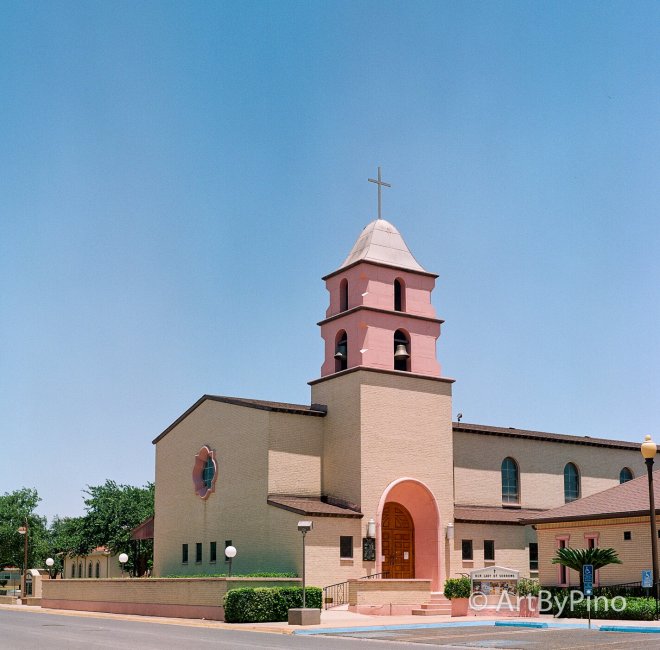
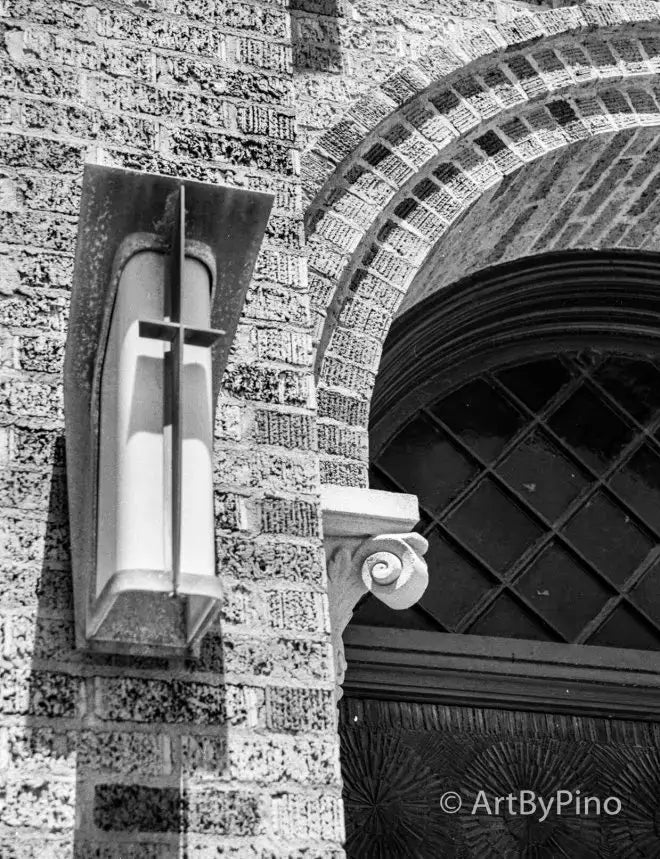
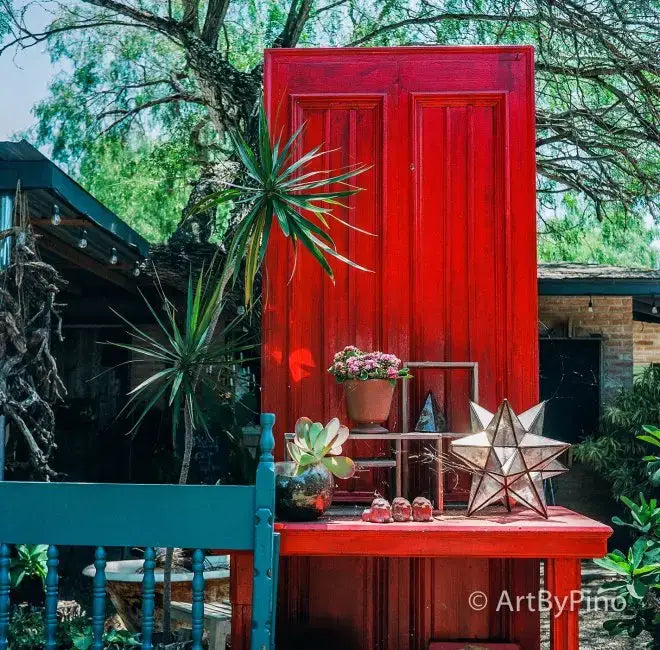
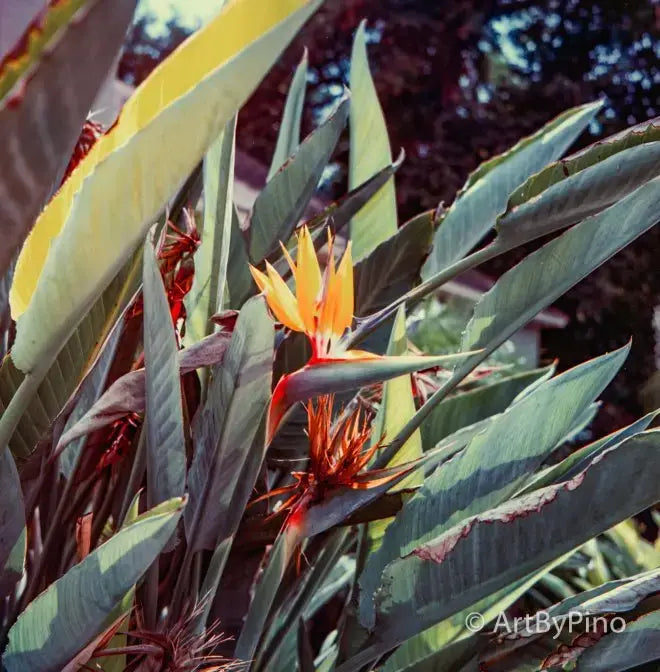
EJEMPLOS DE FOTOGRAFÍA ANALÓGICA

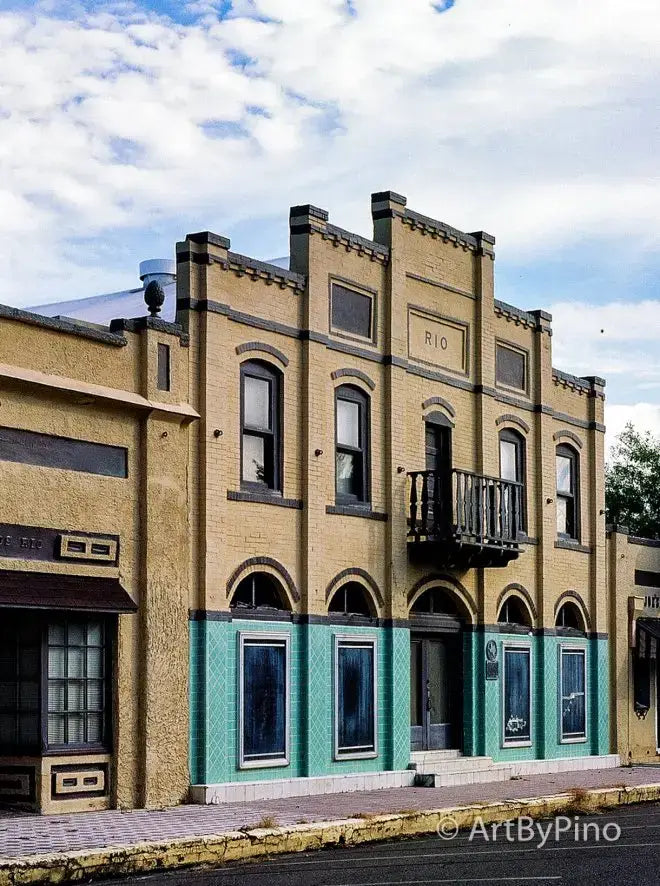
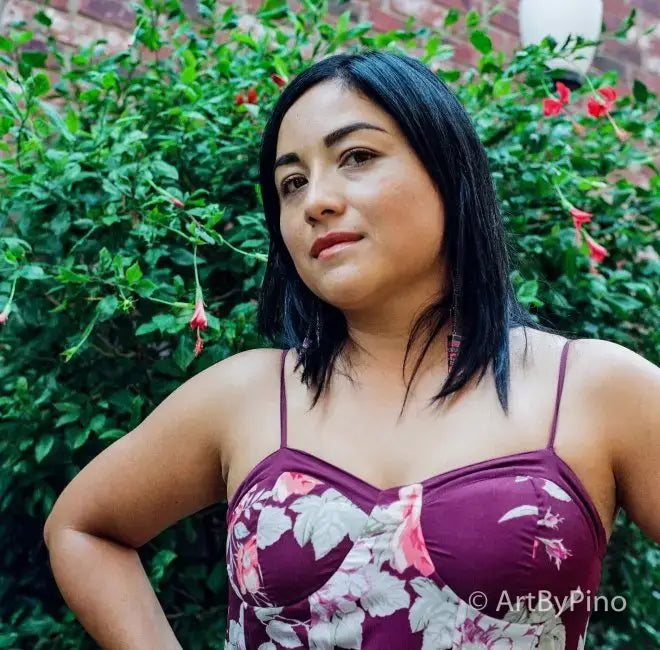
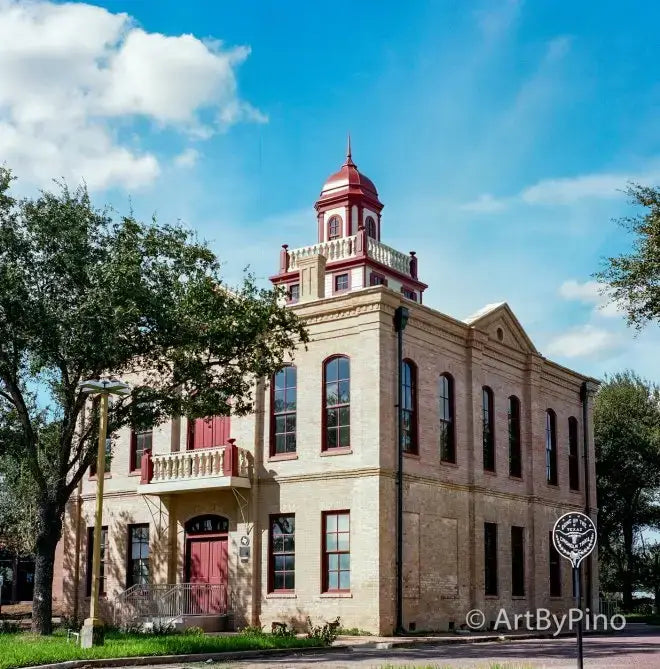
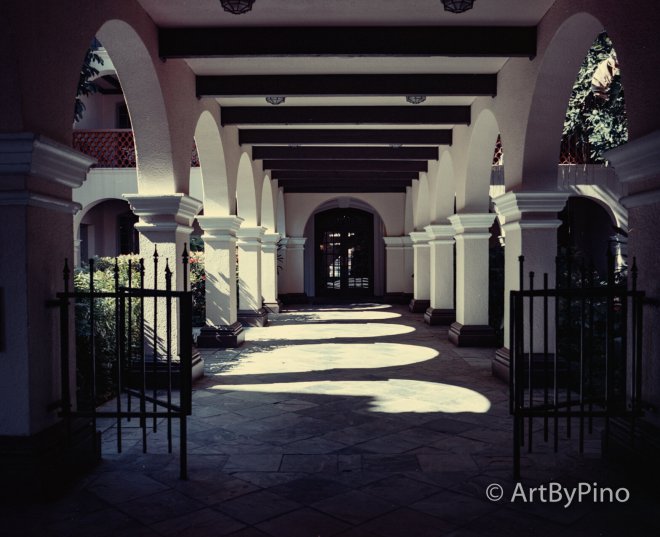
12 razones por las que la fotografía analógica está resurgiendo
1. Autenticidad y Credibilidad
2. Calidad de imagen mejorada
3. Atractivo Estético Inigualable
4. Terapéutico y Consciente
5. Impresiones hechas a mano
6. Más sencillo que nunca
7. Durabilidad y Rentabilidad
8. Exclusividad para Momentos Especiales
9. Retratos auténticos
10. Nostalgia y vibras vintage
11. Comunidades en línea prósperas
12. Escapar de la fatiga digital
Abordando a los escépticos: ¿Realmente vale la pena el cine?
Flujos de trabajo híbridos: lo mejor de ambos mundos
Mezcla la magia del cine con la facilidad digital:
Consejos para Comprar: Comienza con Inteligencia
¡Únete a la Revitalización del Cine!
19 comentarios
Great article. I am a film and digital photographer. Nothing better than film.
I have been looking into 35mm film n I’m glad I saw this article. I have 2 Minolta cameras 100 n 101 with many lenses. Will get them out of storage n use again. Thank you for the great information.
I must agree with every point. While I do shoot probably 50/50 digital/film I find shooting film more satisfying. I develop bw at home and will soon get set up for color. At some point I hope to be able to make my own prints in a home darkroom. I especially agree on the authenticity point. I recently used sky replacement on a photo. It came out stunning but it looked like so many others I’ve seen. Oddly it sort of left a bad aftertaste. Going out at the right time of day and trying to achieve the desired look on film with lens filters would have been more fun and unique.
THANK YOU! wonderful writing, insight, trajectory…Film is Gorgeous. If ever interested in taking a tour of a Film Lab in Burbank CA. please, reach out.
Cheers!
Starting in the 1960s and continuing into the mid 1990s, I shot b&w (and Kodacrome), all 35mm. I developed and printed b&w photos, and have good memories of enlarging and printing in the makeshift darkroom we set up in the kitchen.
For most who shoot b&w, the development and printing should be left to professional labs. Every step is complicated, starting with the temperature of chemicals used for film development, the number of rolls of film that have been developed (the chemicals degrade) and the timing of the development. Prints are just as complicated, if not more so. So, if you are tempted to try it, get ready for a high learning curve.
I still have three film cameras and pages of negatives I have stored in sleeves in a cool place, as you suggest. The negatives are in as good condition now as they were sixty years ago.
I have been taking film pictures longtime ago until now. However, in the last 2 years, the price of film: 35, 120…black and white as well as color ones are increasing a lot day by day. I really don’t know if the price of film becomes too expensive, then people have to give up film photography. What we are going to do now ???
An interesting article. Please may I introduce you to my Unique Projection Photography. I believe your readers will be intrigued by what I was doing in the early 1960’s whilst using Kodachrome.
Projection Photography the Best Way of ‘Painting With Light’ by John Neville Cohen
My own invented technique was a unique form of ‘Painting with Light’ where the projected images were blended and manipulated with crystals, reflections, textures, and coloured filters.
The images were not always projected onto a screen, and the chosen screen often became the subject of the picture; for example, I have photographed projected images; on a feather, a flower, a shell, a leaf, a butterfly wing, and even on to the edges of the pages of a book. Images can be blended too, by using more than one projector.
See ‘Projection Photography Special Effects – The Magic Lantern’ at my website jncohen – net/Projection-Photography/, which explains exactly how my award-winning photographs were created without computers, or any darkroom chemistry!
My most famous picture was ‘Spirit of Spring’ – this was the first ever picture taken on Kodachrome, that included both a negative of a tulip, and a positive image of a girl’s portrait, all on the same emulsion!
“…regarded as one of Britain’s most original photographers.” The Times.
“A woman’s face was exquisitely metamorphosed with the cup of a yellow tulip – a Femme – Fleur Picasso might have perpetrated had he taken to photography.” Arts Revue.
I have been seriously considering selling
my Leica M3. after reading this changed my mind! Thanks!
I enjoyed your article, I see the evolution of imprint medium natural with the progression of technology, film is to painting as is digital is to film. my name is Dwayne. I also enjoy film photography, my first cameras were a Pentax K-1000(35mm) and a Yashica twin lens reflex(120). I shot mostly black and white film speed between 200 to 400. my preferred subjects were abandoned industrial machines and buildings. I now shoot mostly digital (RAW) thank for allowing us to share.